Institutional Insights: Goldman Sachs 'Market Thoughts Following Iran Strikes'
GLOBAL MACRO (WILSON) – Global Markets Commentary: Market Insights After Iran Strikes –
BOTTOM LINE: The primary channel through which the Iran crisis affects the global economy and macro markets is its influence on energy markets. The severity and expected duration of the crisis are critical factors. Markets are likely to initially react with increased risk premia and broader distributions. Although recent movements could continue, markets entered the weekend already pricing in some downside risks to growth and upside risks to inflation.
Equities and Credit: The overall impact is negative, but significant consequences for global growth would only materialize with a severe and prolonged oil supply disruption. Cyclical sectors and oil-importing economies—many of which had strong starts to the year and may now face vulnerabilities due to positioning adjustments—are expected to come under pressure unless the situation is resolved swiftly.
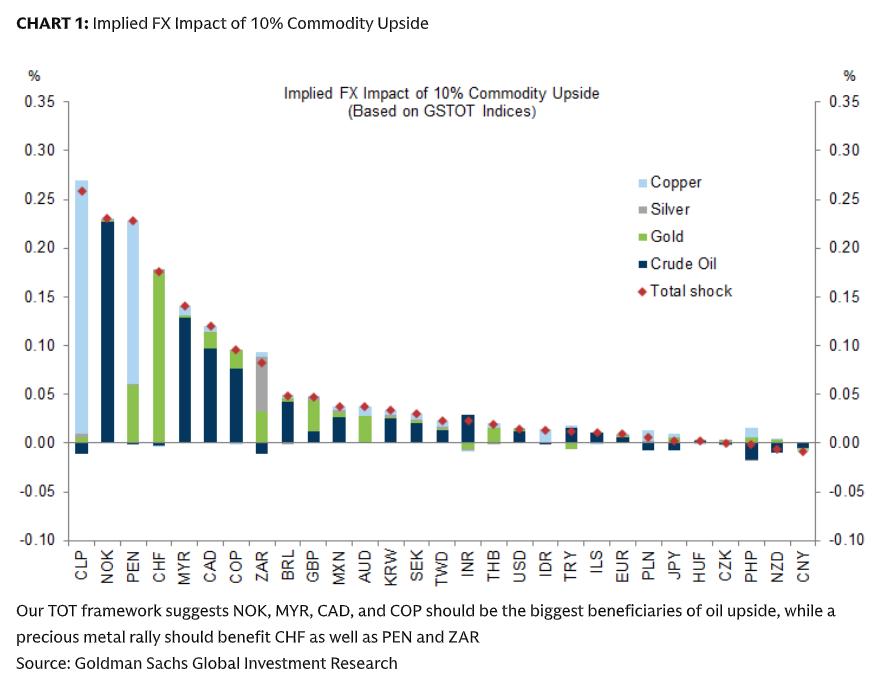
FX: The initial effects are likely to be dominated by the negative supply shock and associated growth risks. The US Dollar and Japanese Yen are expected to serve as preferred safe havens in a risk-off environment with rising oil prices. However, caution is warranted on the Swiss Franc (CHF) due to potential Swiss National Bank (SNB) intervention in response to sharp appreciation. If commodity-related impacts persist, terms of trade effects could reemerge, though these would need to be balanced against the gains already seen this year from commodity tailwinds and the potential for deeper risk-off sentiment to counteract commodity-driven benefits.
Rates: Oil price rallies driven by supply disruptions generally have a more muted impact on inflation curves and nominal rates. However, they could support the ongoing US front-end flattening and mid-curve outperformance. On the EUR curve, there is a potential for hawkish risks at the front end and flattening pressure along the curve. In the near term, heightened volatility is expected, which could pose risks to swap spreads, especially if markets begin to price in the possibility of a prolonged conflict.
Disclaimer: The material provided is for information purposes only and should not be considered as investment advice. The views, information, or opinions expressed in the text belong solely to the author, and not to the author’s employer, organization, committee or other group or individual or company.
Past performance is not indicative of future results.
High Risk Warning: CFDs are complex instruments and come with a high risk of losing money rapidly due to leverage. 68% and 74% of retail investor accounts lose money when trading CFDs with Tickmill UK Ltd and Tickmill Europe Ltd respectively. You should consider whether you understand how CFDs work and whether you can afford to take the high risk of losing your money.
Futures and Options: Trading futures and options on margin carries a high degree of risk and may result in losses exceeding your initial investment. These products are not suitable for all investors. Ensure you fully understand the risks and take appropriate care to manage your risk.
Patrick has been involved in the financial markets for well over a decade as a self-educated professional trader and money manager. Flitting between the roles of market commentator, analyst and mentor, Patrick has improved the technical skills and psychological stance of literally hundreds of traders – coaching them to become savvy market operators!